Big ideas & first steps
Melanie Perkins: When your idea is bigger than your skills, where do you start?
Before Canva, Melanie Perkins and Cliff Obrecht built the school-yearbook service Fusion Books. Their early story suggests a starting point for a big idea: give it one specific need to answer.
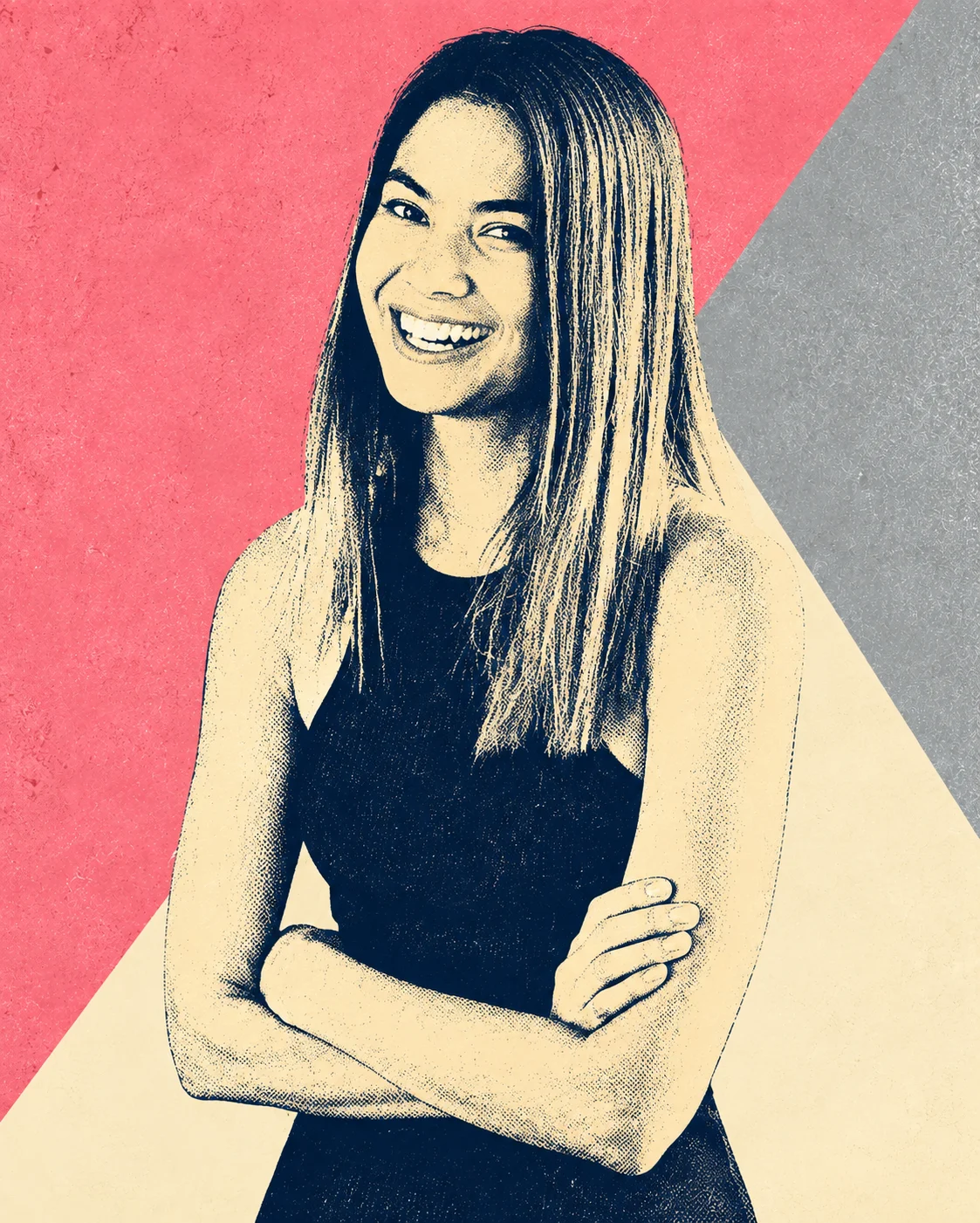
Before Canva, there was a school yearbook
Canva co-founder Melanie Perkins’s business story began earlier with the school-yearbook service Fusion Books. Canva now brings to mind a presentation or poster you can put together quickly. Her first business addressed something more specific: helping schools produce yearbooks.
In her account of Canva’s beginnings, she describes noticing the difficulty of design software while teaching it, then starting Fusion Books with Cliff Obrecht. The account also describes sketches, outside development help and support from family. Read her account.
Making design easier was a large ambition. A yearbook gave it a boundary: a particular user, a job to complete and something to hold at the end. The smaller starting point brought the idea into contact with actual work.
Make the part you need help with visible
An early business contains more kinds of work than one person can already know how to do. The practical details in Perkins’s account make that visible without reducing the story to an instruction to be brave.
A finished product hides the explaining, revising and helping that made it possible. When you aren’t familiar with technology, the difficulty can begin before development: you recognise what feels awkward but don’t yet know how to explain the improvement.
A sketch, an existing example or a description of one person using the idea can give a conversation somewhere to start. It also makes asking for help more specific.
Let one thing work first
Imagine a website that helps freelancers find jobs. Registration, matching, schedules, payments and notifications can quickly become a long list. This is an example we draw from the story. The first piece of work still needs to be clear.
Could one person find a suitable job, understand the date and requirements, and see how to reply? Following that short journey would already reveal quite a lot.
A smaller first version gives you a chance to discover whether the help you want to offer is useful to someone else. The larger idea can remain on the page while you work out one part.
AI can help make a sketch or simple page. Someone still needs to see whether the result makes sense and is easy to use. Faster production creates something to examine; it doesn’t settle every question about the idea.
For another business idea that began with a familiar frustration, read Sara Blakely’s story of developing the first SPANX product.
Your starting conditions deserve attention too
Some readers will finish a founder’s story wanting to try something. Others will think about time, contacts or the help they don’t have. Those conditions affect how an idea can begin.
Perkins’s account includes collaborators and family support. We can recognise their contribution while being honest that the support available in our own lives may look different.
You don’t have to find a business partner or learn to code today. Identifying the one thing you most want to help someone do gives a future conversation a concrete beginning.
Sources & editorial note
The story draws on the public sources below. The observations and everyday examples are written by The Direction Edit. They are not the featured woman’s own words or advice, and do not imply her endorsement.